STEMinist
Iconic Women
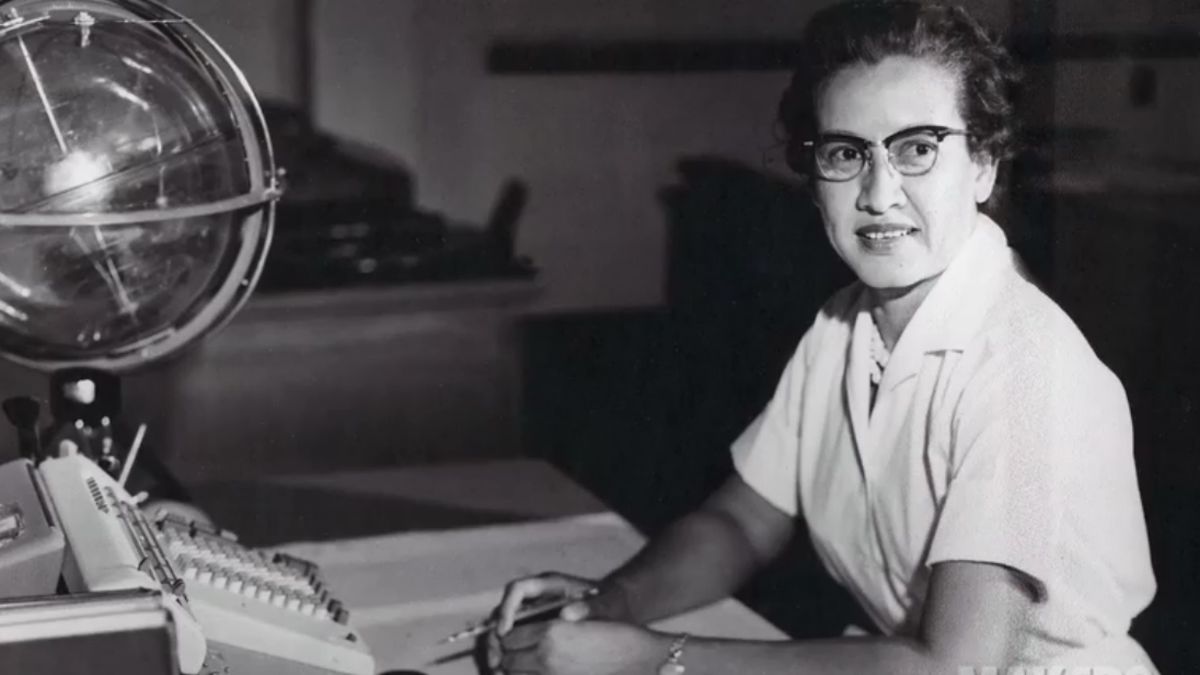
Katherine Johnson
Mathematician
Johnson's calculations of orbital mechanics were critical to the success of NASA's spaceflights. She was noted for her historical role as one of the first African-American women to work as a NASA scientist
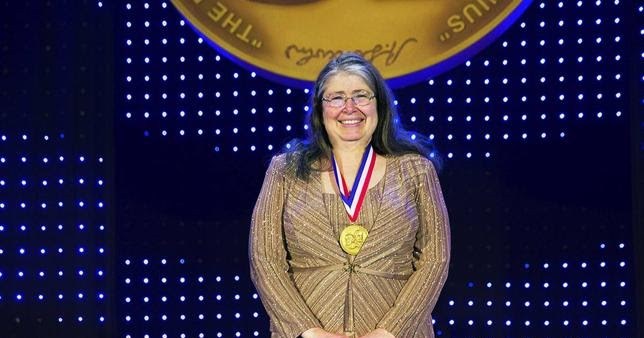
Radia Perlman
Computer Programmer and Network Engineer
Perlman is most famous for her invention of the spanning-tree protocol (STP), which is fundamental to the operation of network bridges. She was elected a member of the National Academy of Engineering in 2015 for contributions to Internet routing and bridging protocols. Most recently, she has invented the TRILL protocol and is currently employed at Dell EMC
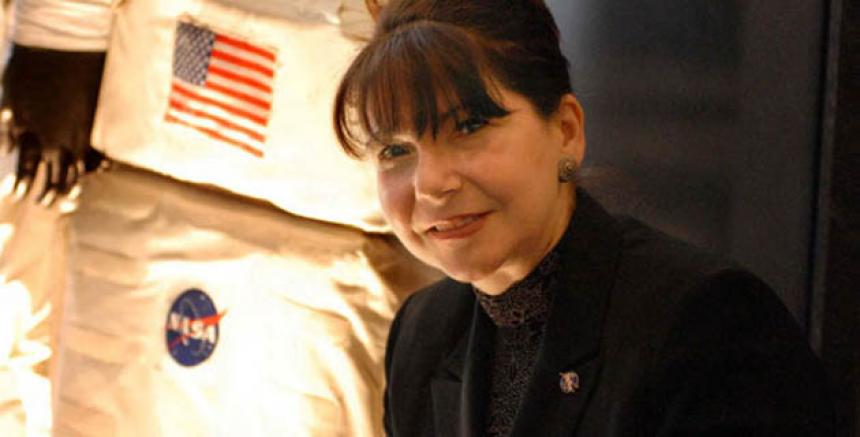
Adriana Ocampo
Planetary Geologist
Ocampo is a Colombian planetary geologist and a Science Program Manager at NASA Headquarters. Her research contributed significantly to the understanding of impact craters. She led at least seven research expeditions and continues to search for new impact craters with her team. She recieved the Woman of the Year in Science award in 1992 and was named one of the most important women in science by Discover Magazine in 2002. An asteroid was named after her to commemorate her contributions to space exploration.
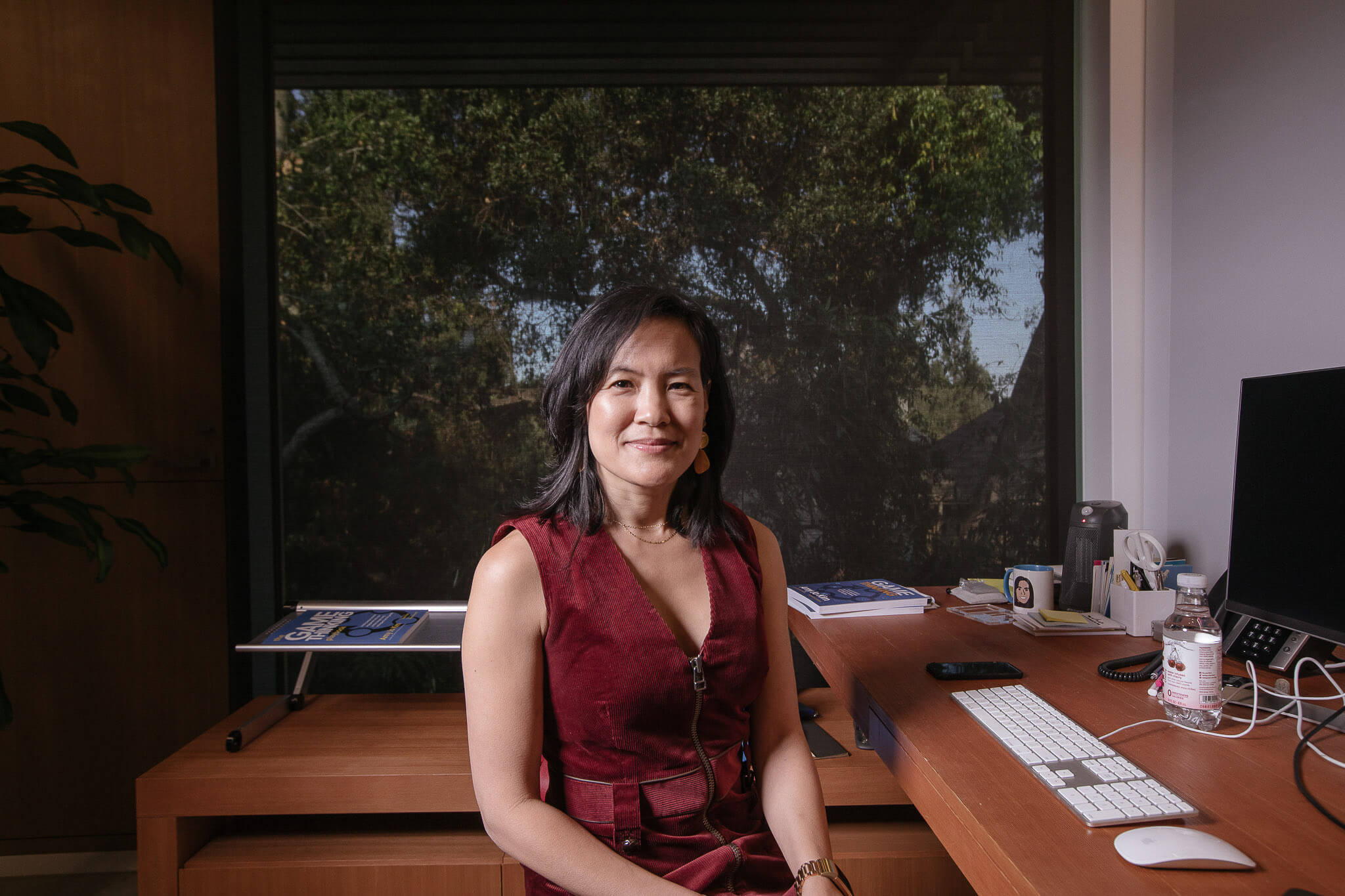
Irene Au
Human-Computer Interaction Designer
Au is Design Partner at Khosla Ventures, where she works with early-, mid-, and late-stage startup CEOs. She has unprecedented experience elevating the stratigic importance of design within internet companies, having built and led the entire User Experience and Design teams at Google, Yahoo!, and Udacity.
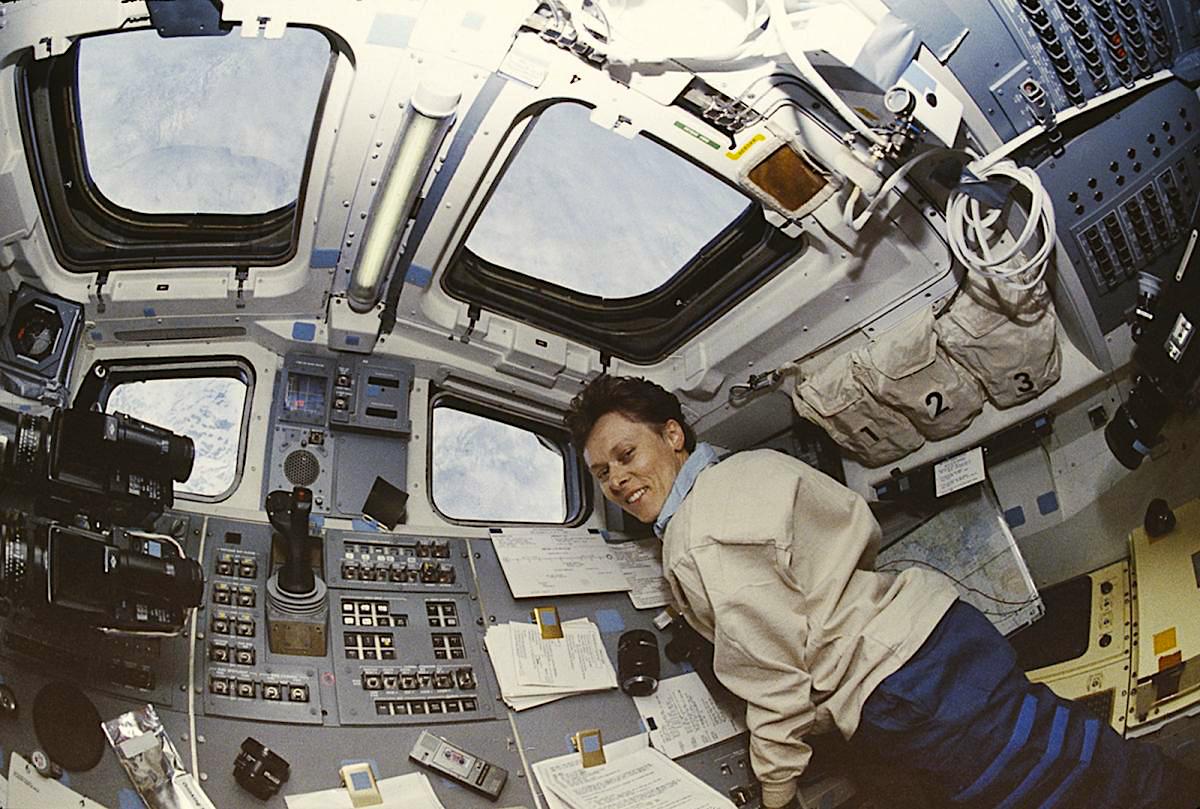
Roberta Bondar
Canadian Astronaut and Neurologist
Bondar is Canada's first female astronaut and the first neurologist in space. For more than a decade, Bondar was head of an international space medicine research team collaborating with Nasa. She has recieved many honours including appointment s a Companion of the Order of Canada and the Order of Ontario, the NASA Space Flight Medal, over 28 honorary degrees, induction into the Canadian Medical Hall of Fame,the International Women's Forum Hall of Fame and a star on Canada's Walk of Fame.
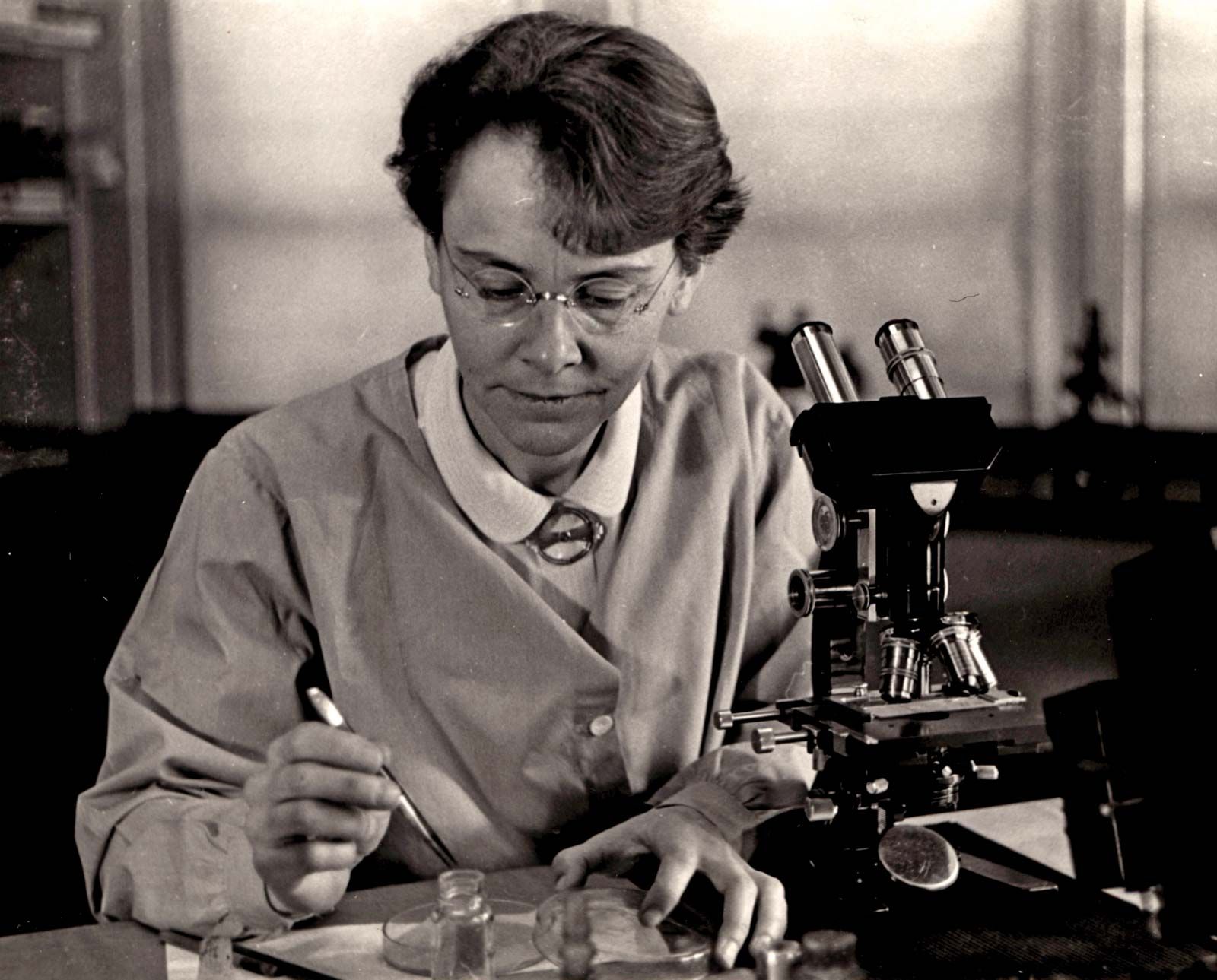
Barbara McClintock
Scientist and Cytogeneticist
McClintock was an American scientist and cytogeneticist who was awarded the 1983 Nobel Prize in Physiology or Medicine. She started her career as the leader in the development of maize cytogenetics. McClintock studied chromosomes and how they change during reproduction in maize. During the 1940s and 1950s, McClintock discovered transposition and used it to demonstrate that genes are responsible for turning physical characteristics on and off. Awards and recognition for her contributions to the field followed, including the Nobel Prize in Physiology or Medicine, awarded to her in 1983 for the discovery of genetic transposition; as of 2022, she remains the only woman who has received an unshared Nobel Prize in that category.
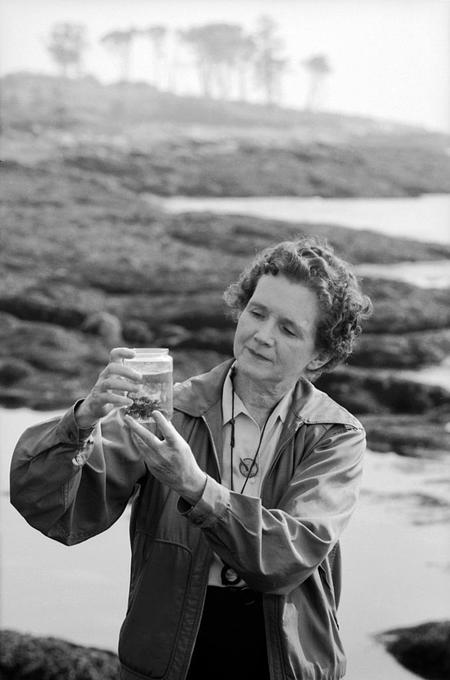
Rachel Carson
Marine Biologist and Environmentalist
Carson began her career as an aquatic biologist in the U.S. Bureau of Fisheries, and became a full-time nature writer in the 1950s. Late in the 1950s, Carson turned her attention to synthetic pesticides. The result was the book Silent Spring which brought environmental concerns to an unprecedented share of the American people. Although Silent Spring was met with fierce opposition by chemical companies, it spurred a reversal in national pesticide policy, which led to a nationwide ban on DDT and other pesticides. It also inspired a grassroots environmental movement that led to the creation of the U.S. Environmental Protection Agency. Carson was posthumously awarded the Presidential Medal of Freedom by President Jimmy Carter.
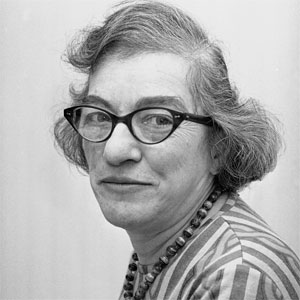
Mollie Orshansky
Statistician and Economist
Orshansky developed the Orshansky Poverty Thresholds, which are used in the United States as a measure of the income that a household must not exceed to be counted as poor. In 1939, Orshansky became a research clerk with the Children's Bureau; working on biometric studies of child health, growth, and nutrition. In January 1942, as a statistician in the New York City Department of Health, she worked on a survey of the incidence of, and therapies for, pneumonia. In 1945, Orshansky moved to the U.S. Department of Agriculture; where she spent the next thirteen years as a family economist, director of the Program Statistics Division, and a food economist. Orshansky received the Distinguished Service Award in recognition for her leadership in creating the first nationally accepted measurements of income adequacy and applying them to public policy.
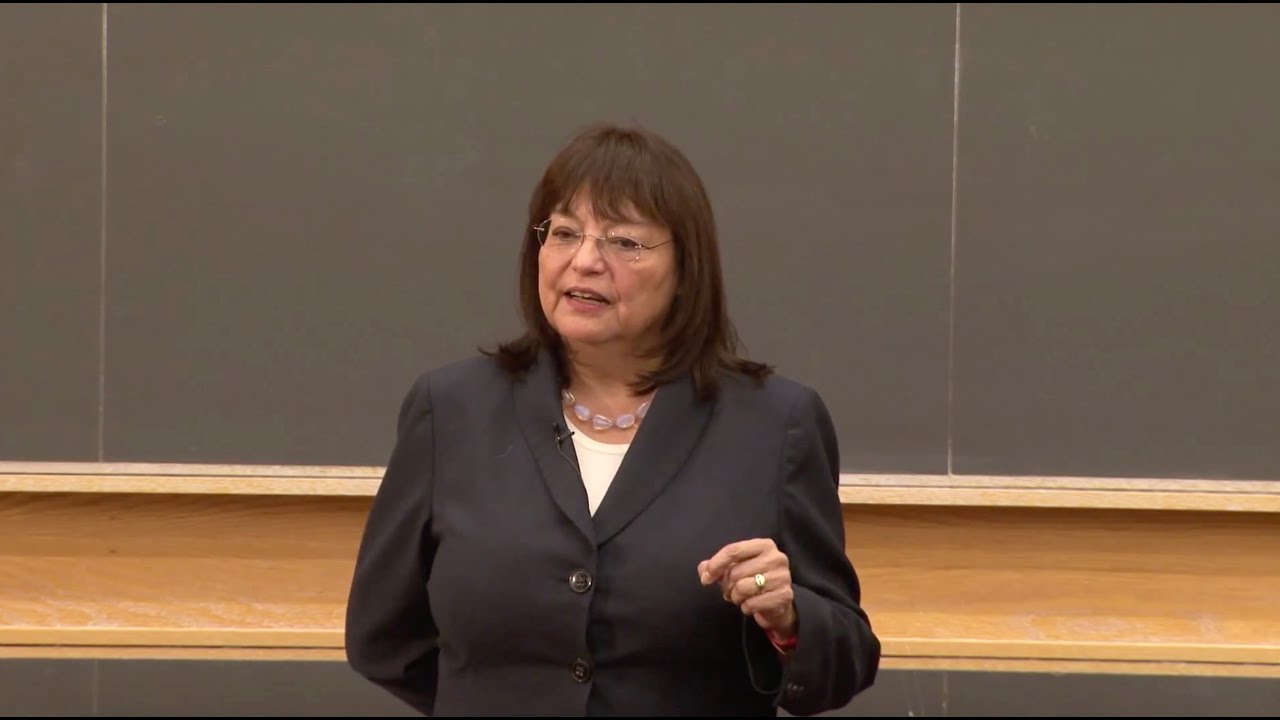
Lydia Villa-Komaroff
Molecular Biologist
Komaroff is a molecular and cellular biologist who has been an academic laboratory scientist, a university administrator, and a business woman. She was the third Mexican American woman in the United States to receive a doctorate degree in the sciences and is a co-founding member of The Society for the Advancement of Chicanos/Hispanics and Native Americans in Science (SACNAS). Her most notable discovery was in 1978 during her post-doctoral research, when she was part of a team that discovered how bacterial cells could be used to generate insulin